

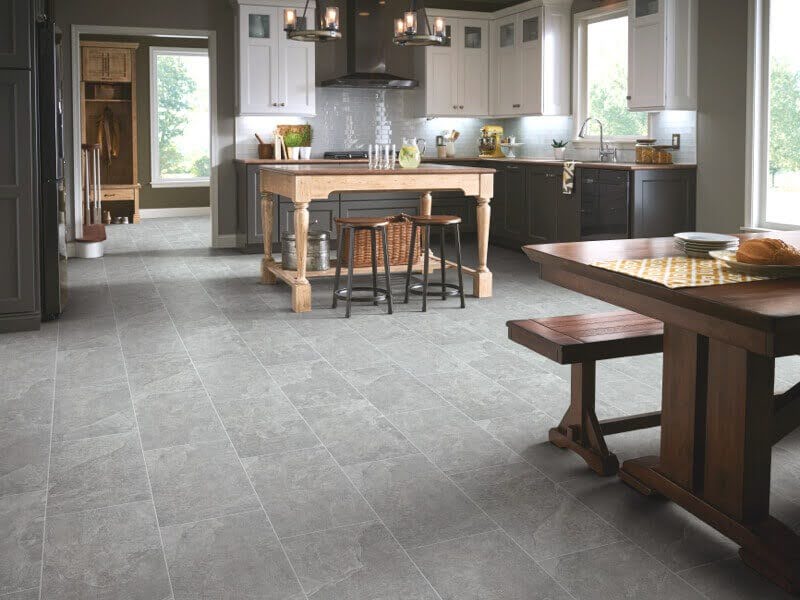
When homeowners in Cuyahoga Falls, OH begin planning a flooring or remodeling project, one common question often comes up: should you choose natural stone or porcelain tile? Both materials offer exceptional beauty, durability, and long-term performance, but they differ in ways that can affect maintenance, cost, and overall value.
At First Flooring & Tile, we help homeowners compare flooring materials every day. While both natural stone and porcelain tile have their strengths, the best choice often depends on your lifestyle, budget, and long-term expectations.
If you're remodeling a kitchen, bathroom, entryway, or mudroom in Cuyahoga Falls, Fairlawn, Tallmadge, or Copley, understanding the advantages and tradeoffs of each option can help you make a confident investment. Natural stone remains valued for its timeless appeal, while modern porcelain tile continues to gain popularity because of its durability, low maintenance requirements, and design versatility. ,
Understanding the Difference Between Natural Stone and Porcelain Tile
Before comparing long-term value, it's important to understand how these materials differ.
What Is Natural Stone?
Natural stone is quarried directly from the earth and cut into tiles for residential and commercial use.
Popular options include:
Marble
Travertine
Slate
Limestone
Granite
Because no two pieces are exactly alike, natural stone offers a unique appearance that many homeowners find appealing.
Homeowners interested in natural materials can browse natural stone flooring to explore available options.
What Is Porcelain Tile?
Porcelain tile is a manufactured product made from refined clay and fired at extremely high temperatures.
Modern porcelain tile can replicate the appearance of:
Hardwood
Marble
Slate
Concrete
Travertine
Limestone
Advances in manufacturing technology have allowed porcelain tile to achieve highly realistic visuals while providing exceptional durability.
Initial Cost vs. Long-Term Value
Many homeowners focus primarily on upfront costs, but long-term value extends beyond the initial purchase price.
Natural Stone Investment
Natural stone often carries a higher initial cost because:
The material is quarried and processed
Installation can be more specialized
Stone requires additional maintenance over time
However, some homeowners view natural stone as a premium feature that contributes to the overall character of a home.
Porcelain Tile Investment
Porcelain tile frequently provides a more budget-friendly entry point while still delivering a high-end appearance.
Many homeowners appreciate that porcelain can mimic luxury materials while requiring less long-term upkeep.
When evaluating long-term value rather than just purchase price, maintenance requirements become a major factor.
Durability Comparison
Ohio homes experience changing seasons, heavy foot traffic, moisture, and everyday wear. Durability plays a critical role in determining long-term value.
Porcelain Tile Durability
Porcelain tile is known for its strength and resilience.
Benefits include:
Excellent scratch resistance
Low water absorption
High impact resistance
Strong stain resistance
Because it performs well in kitchens, bathrooms, entryways, and mudrooms, porcelain is often viewed as one of the most versatile flooring materials available.
Natural Stone Durability
Natural stone can also provide excellent durability, but performance varies depending on the type of stone.
For example:
Granite is extremely durable
Slate performs well in high-traffic areas
Marble is softer and may scratch more easily
Travertine is vulnerable to etching and wear
The overall durability of stone depends heavily on proper maintenance and the specific material selected.
Maintenance Requirements
One of the biggest differences between these materials involves ongoing maintenance.
Porcelain Tile Maintenance
Porcelain tile is popular among busy homeowners because it requires relatively little upkeep.
Routine maintenance generally includes:
Sweeping or vacuuming
Occasional mopping
Prompt cleanup of spills
Most porcelain surfaces do not require sealing, making long-term maintenance simple and predictable.
Easy maintenance continues to be one of the primary reasons homeowners choose porcelain tile for high-use areas.
Natural Stone Maintenance
Natural stone requires more attention.
Depending on the material, maintenance may include:
Periodic sealing
Specialized cleaning products
Protection from acidic substances
Ongoing monitoring for stains
While many homeowners are comfortable with this level of care, it is an important consideration when evaluating total ownership costs.
Moisture Resistance in Ohio Homes
Northeast Ohio weather presents unique challenges.
Snow, rain, humidity, and seasonal moisture can all affect flooring performance.
Porcelain Tile's Low Water Absorption
Porcelain's dense composition makes it highly resistant to water intrusion.
This makes it a popular choice for:
Bathrooms
Kitchens
Laundry rooms
Mudrooms
Entryways
Many homeowners specifically seek moisture-resistant products when evaluating tile flooring options.
Natural Stone and Moisture
Because natural stone is porous to varying degrees, many stone surfaces benefit from sealing to help reduce moisture absorption.
Proper installation and maintenance are critical to maximizing performance in moisture-prone areas.
Design Flexibility
Both materials offer strong design benefits, but they excel in different ways.
The Appeal of Natural Stone
Natural stone offers something impossible to replicate perfectly: true uniqueness.
Benefits include:
Organic variation
Natural veining
One-of-a-kind character
Premium appearance
No two stone installations are exactly alike.
The Versatility of Porcelain Tile
Porcelain gives homeowners remarkable design flexibility.
Popular options include:
Marble-look porcelain
Wood-look tile
Concrete-look surfaces
Contemporary large-format designs
This allows homeowners to achieve virtually any aesthetic while keeping maintenance requirements relatively low.
Which Material Offers Better Resale Appeal?
Both natural stone and porcelain tile are generally viewed favorably by buyers.
However, today's porcelain products have become sophisticated enough that many buyers appreciate:
Low maintenance
Modern styling
Long-term durability
Waterproof performance
Natural stone still carries a luxury reputation, but porcelain often delivers broader appeal because of its practicality.
Which Option Delivers Better Long-Term Value?
For many Ohio homeowners, porcelain tile provides the strongest combination of:
Durability
Ease of maintenance
Moisture resistance
Design flexibility
Cost efficiency
That said, homeowners who value uniqueness and are comfortable with ongoing maintenance may find natural stone delivers exceptional personal value.
Ultimately, the right choice depends on your priorities.
Choose porcelain tile if you want:
Lower maintenance
Exceptional durability
Strong moisture resistance
Broad design flexibility
Choose natural stone if you want:
Unique character
Authentic natural materials
Luxury aesthetics
A truly one-of-a-kind installation
Find the Right Tile for Your Home
Both natural stone and porcelain tile can be excellent long-term investments when selected thoughtfully and installed properly.
At First Flooring & Tile, we help homeowners throughout Cuyahoga Falls, Fairlawn, Tallmadge, and Copley compare materials side by side so they can choose the flooring solution that best fits their home and lifestyle.
If you're considering a tile or stone flooring project, we invite you to visit our showroom to see products in person and compare their features firsthand. You can also request a free estimate to discuss your project with our experienced team and receive personalized recommendations.


